
Recognize the warning signs immediately: if you find yourself gambling longer than intended, chasing losses, or feeling anxious when unable to access fairest crypto gambling online platforms, your mental health may already be affected. The digital nature of online gambling creates unique psychological risks—the constant accessibility, rapid bet placement, and immersive design trigger the same brain reward pathways as substance addiction, releasing dopamine that reinforces compulsive behavior even when you’re losing money.
Set concrete limits before you play: deposit only what you can afford to lose, use betting platform tools to establish time and money restrictions, and never gamble while experiencing emotional distress, depression, or anxiety. These vulnerable states impair decision-making and intensify the escape-seeking behavior that transforms occasional betting into problematic gambling.
Track your emotional patterns alongside your gambling habits. Many people discover they turn to online gambling during periods of stress, loneliness, or low mood, creating a destructive cycle where temporary relief leads to financial consequences that worsen mental health. Document when you gamble, how you feel beforehand, and your emotional state afterward to identify triggers.
Reach out for professional support without shame or delay. Problem gambling is a recognized mental health condition, not a moral failing. Therapists specializing in gambling disorders use evidence-based treatments like cognitive behavioral therapy to address both the gambling behavior and co-occurring conditions such as depression and anxiety that frequently develop alongside gambling problems.
The Psychology Behind Online Gambling
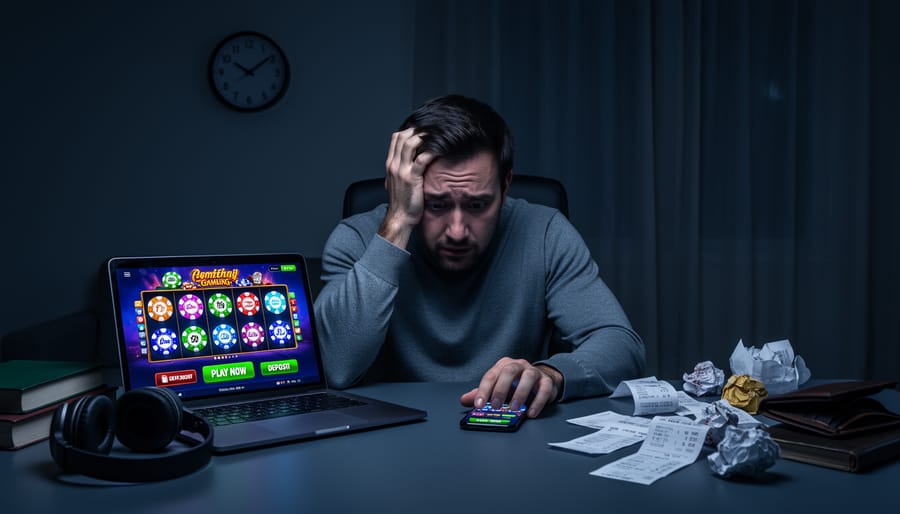
Why It Feels Different from Casino Gambling
Online gambling creates a different psychological experience than traditional casino gambling, and understanding these differences helps explain why it can feel harder to control. When you gamble online, you’re operating in an environment specifically designed for continuous play without natural stopping points.
The 24/7 accessibility means there’s no closing time to prompt you to pause and reflect. Whether it’s 3 PM or 3 AM, gambling is just a phone tap away. This constant availability removes the practical barriers that once helped people naturally limit their gambling behavior.
Privacy intensifies the experience in ways that aren’t immediately obvious. Without other people around to notice your emotional state or time spent gambling, you lose an important layer of external awareness. There’s no bartender cutting you off, no friend suggesting it’s time to leave. You’re alone with your decisions, which can feel both freeing and isolating.
The speed of digital gambling accelerates everything. You can place dozens of bets in minutes, cycling through wins and losses so quickly that your brain doesn’t have time to process what’s actually happening to your money. This rapid pace keeps you in a heightened emotional state, making rational decision-making increasingly difficult.
Social accountability virtually disappears in the online space. Your family doesn’t see you leave for the casino. Your friends don’t know you’re gambling during lunch breaks. This invisibility might feel safer initially, but it actually removes helpful checkpoints that support healthier choices. Without these natural boundaries, concerning patterns can develop and deepen before anyone, including yourself, fully recognizes what’s happening.
How Online Gambling Affects Your Mental Health
Anxiety and Stress
Online gambling creates a persistent undercurrent of anxiety that can affect every aspect of your life. If you’ve found yourself constantly checking your phone for betting updates, refreshing your account balance, or feeling your heart race when placing wagers, you’re experiencing something very real and surprisingly common.
The cycle often begins with financial worry. Whether you’ve lost more than you intended or are chasing previous losses, the stress of managing mounting debt becomes overwhelming. You might find yourself mentally calculating bills, hiding transactions from loved ones, or experiencing that familiar knot in your stomach when thinking about money. This isn’t a personal failing—it’s a natural response to financial pressure.
Beyond money concerns, the anticipation itself becomes exhausting. Your mind may constantly wander to “what if” scenarios, planning the next bet or replaying past decisions. Many people describe feeling unable to relax, even during activities they once enjoyed, because gambling thoughts intrude persistently.
This constant state of heightened stress takes a genuine toll on your body and mind. You might notice difficulty sleeping, tension headaches, irritability, or trouble concentrating at work or home. Some people experience panic attacks or a sense of dread that seems to appear from nowhere.
These experiences are valid, and recognizing them is an important first step. The stress you’re feeling isn’t something you’re imagining or overreacting to—it’s your mind and body signaling that something needs to change. Understanding this connection empowers you to take meaningful action toward recovery and relief.
Depression and Isolation
The emotional impact of online gambling extends far beyond financial loss. When gambling activities lead to mounting debts and broken promises, many people experience profound feelings of shame and guilt. These emotions often drive individuals to withdraw from friends and family, creating a cycle of isolation that deepens over time.
This withdrawal isn’t always obvious at first. You might find yourself making excuses to avoid social gatherings, declining invitations, or spending less time with loved ones. The secrecy surrounding gambling behavior can feel necessary to avoid judgment, but this isolation intensifies feelings of loneliness and hopelessness. Many people report that the shame of hiding their gambling makes them feel disconnected from the support systems they need most.
The combination of financial stress, social withdrawal, and persistent feelings of guilt creates fertile ground for depression symptoms to develop or worsen. You may notice changes in sleep patterns, loss of interest in activities you once enjoyed, persistent sadness, or difficulty concentrating. These responses are understandable reactions to the mounting pressure and emotional burden of problematic gambling.
It’s important to recognize that these feelings don’t reflect personal weakness or failure. Depression linked to gambling is a legitimate mental health concern that responds well to proper support and treatment. Reaching out for help, whether through counseling, support groups, or trusted loved ones, is a courageous first step toward breaking the cycle of isolation and beginning your recovery journey.
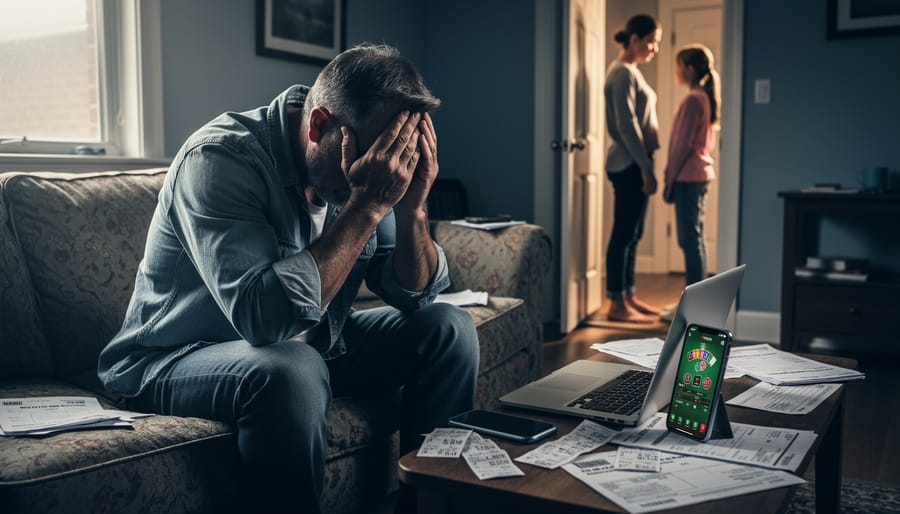
Sleep Disruption and Physical Health
The connection between online gambling and physical health is often overlooked, yet the physical health impacts can be significant. When caught in gambling cycles, many people experience severe sleep disruptions, staying up late to gamble or lying awake worrying about losses. This irregular sleep pattern creates a cascade of problems, affecting your body’s ability to recover and maintain balance.
Poor sleep often leads to disrupted eating habits. You might skip meals during gambling sessions or rely on quick, unhealthy foods. Some people lose their appetite entirely due to stress, while others turn to comfort eating. These changes affect your energy levels, immune system, and overall well-being.
The mind-body connection means that mental distress from gambling directly manifests physically. Headaches, digestive issues, muscle tension, and fatigue become common companions. Your body is signaling that something needs to change. Recognizing these physical symptoms is an important step toward recovery, as addressing gambling concerns often leads to improvements in both mental and physical health. You deserve to feel well in both mind and body.
Relationship Strain and Social Withdrawal
Online gambling often thrives in isolation, creating a barrier between you and the people who matter most. As financial pressures mount and time spent gambling increases, many people find themselves withdrawing from friends and family, either to hide their behavior or because they feel deeply ashamed. This withdrawal can create a painful cycle where loneliness drives more gambling, which leads to further isolation.
Relationships suffer when trust erodes. You might find yourself making excuses, avoiding conversations about money, or becoming defensive when loved ones express concern. Partners may feel betrayed upon discovering hidden debts or lies, while family members often experience confusion and hurt, unsure how to help without enabling the behavior.
It’s important to recognize that these relationship challenges don’t mean you’re a bad person. Gambling addiction affects brain chemistry in ways that can override your values and intentions. Your loved ones may be struggling too, trying to understand what’s happening while dealing with their own feelings of helplessness and fear.
Rebuilding these connections is possible and represents a crucial part of recovery. Open communication, professional support, and patience from all involved can help restore trust and strengthen relationships over time.
Warning Signs You Should Never Ignore
Recognizing when online gambling is affecting your mental health is an important step toward getting support. These warning signs aren’t about judgment—they’re simply indicators that it might be time to reach out for help.
From a behavioral perspective, you might notice yourself thinking about gambling constantly, even during activities you used to enjoy. Perhaps you’re staying up late to gamble, setting alarms to catch specific game times, or finding it difficult to stop once you start. Lying to loved ones about how much time or money you spend gambling, or feeling the need to hide your activity, are significant indicators worth acknowledging.
Emotional red flags often appear as increased irritability, especially when you can’t gamble or when someone questions your habits. You might experience intense mood swings tied to wins and losses, feeling euphoric after winning but deeply depressed or anxious after losing. Many people report feeling restless or irritable when trying to cut back, or using gambling as their primary way to cope with stress, loneliness, or difficult emotions.
Financial warning signs can be particularly distressing. These include spending money intended for bills or essentials on gambling, borrowing money from friends or family without being honest about why, or feeling panic about checking your bank account. You might find yourself chasing losses—gambling more to try to win back what you’ve lost—or experiencing financial stress that keeps you awake at night.
Physical symptoms shouldn’t be overlooked either. Headaches, disrupted sleep patterns, changes in appetite, or neglecting personal care can all signal that gambling is taking a toll on your overall wellbeing.
If several of these signs feel familiar, please know that experiencing them doesn’t mean you’ve failed. It simply means your mind and body are asking for attention and care. Recognizing these patterns is actually a sign of self-awareness and strength—it’s the first step toward positive change and improved mental health.
Taking Back Control: Practical Steps That Actually Work
Immediate Actions You Can Take Today
Taking the first step toward change doesn’t have to be overwhelming. You can begin protecting your wellbeing right now with these straightforward actions that require just a few minutes of your time.
Start by removing immediate access to gambling platforms. Delete all gambling apps from your phone and tablet, and log out of any gambling websites on your computer. If you’re worried about the temptation to reinstall them, install free blocking software like Gamban or Betfilter. These tools create a protective barrier between you and gambling sites across all your devices.
Next, reach out to one trusted person in your life. This could be a friend, family member, or colleague. You don’t need to share every detail, but simply saying “I’m struggling with online gambling and I’m working on stopping” can create essential accountability and support. Having someone who knows what you’re going through makes the journey less isolating.
Take control of your finances by implementing a simple safeguard. Ask your bank to block gambling transactions, or if you share finances with a partner, consider having them temporarily manage online accounts. Many people find it helpful to unsubscribe from all gambling-related emails and texts immediately to reduce triggering reminders.
Finally, write down three activities you can turn to when the urge to gamble strikes. These might include going for a walk, calling a friend, or practicing a five-minute breathing exercise. Keep this list somewhere visible on your phone.
Remember, these actions aren’t about being perfect. They’re about creating space for healing and showing yourself the compassion you deserve.
Building Healthier Coping Strategies
When gambling has become a way to manage difficult emotions or escape from stress, recovering means finding new ways to meet those same needs. The good news is that many healthier coping strategies can provide similar benefits without the harmful consequences.
For stress relief, consider activities that naturally calm your nervous system. Regular exercise, even a 20-minute walk, releases endorphins that improve mood. Deep breathing exercises, progressive muscle relaxation, or meditation apps can provide immediate relief during moments of tension. Many people find that journaling helps them process emotions that previously triggered gambling urges.
If you gambled for excitement, look for activities that engage your mind and provide a sense of challenge. Learning a new skill, joining a sports league, or taking up a creative hobby can offer stimulation and accomplishment. Social connections are equally important—reaching out to friends, joining support groups, or volunteering can combat loneliness and provide meaningful engagement.
For those who used gambling as an escape, it’s important to address what you’re escaping from. This might mean working with a therapist to develop better problem-solving skills or learning to tolerate uncomfortable emotions rather than avoiding them. Remember, building new habits takes time and patience with yourself. Start small, celebrate progress, and recognize that setbacks are part of the journey toward lasting change.
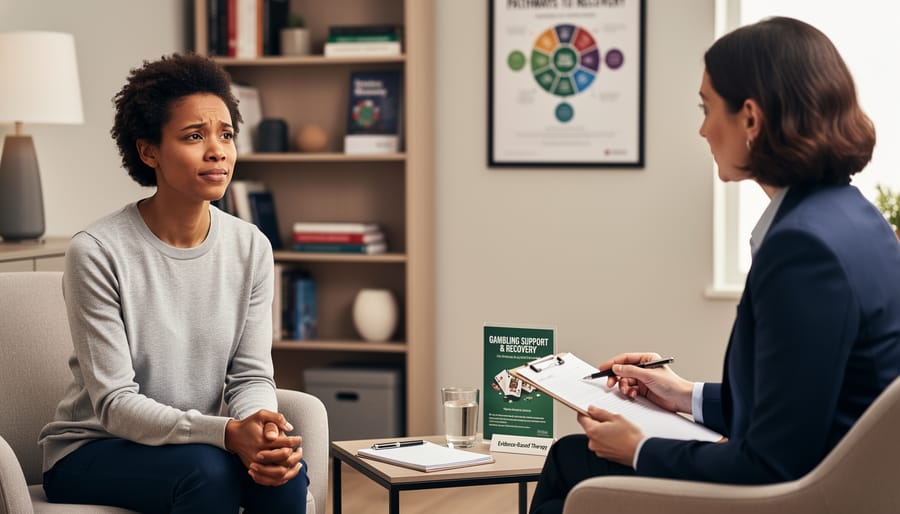
When and How to Seek Professional Help
If you’re feeling concerned about your online gambling habits or their impact on your emotional wellbeing, know that seeking professional help is a sign of strength, not weakness. Many people find themselves in similar situations, and reaching out is an important step toward recovery.
Consider connecting with a mental health professional if you notice persistent anxiety about gambling, difficulty controlling your behavior despite negative consequences, using gambling to escape emotions, or experiencing depression or mood changes related to your habits. These are valid reasons to seek support, and you deserve compassionate care.
Several effective treatment options are available. Cognitive Behavioral Therapy has shown excellent results for gambling-related concerns, helping you understand triggers and develop healthier coping strategies. Many therapists now specialize in behavioral addictions and understand the unique challenges of online gambling. You can find qualified professionals through your primary care provider, employee assistance programs, or online therapy platforms that offer flexible scheduling.
Support groups provide invaluable peer connection and understanding. Gamblers Anonymous offers meetings both in-person and online, creating a judgment-free space where you can share experiences and learn from others on similar journeys. Many communities also have specialized mental health centers with programs designed specifically for gambling concerns.
Remember, your mental health matters, and help is available whenever you’re ready. The relationship between gambling and mental wellbeing is complex, but with proper support, you can develop healthier patterns and reclaim control over your life. Taking that first step to reach out might feel difficult, but countless individuals have found their path to recovery through professional guidance and community support.
Supporting Someone Who’s Struggling
Watching someone you care about struggle with online gambling can feel overwhelming, but your support can make a meaningful difference in their recovery journey. Supporting someone struggling with gambling-related issues requires patience, understanding, and clear boundaries.
Start by choosing the right moment for conversation. Avoid bringing up concerns when emotions are high or immediately after a gambling episode. Instead, find a quiet, private time when you can both speak openly. Use “I” statements to express your observations without judgment: “I’ve noticed you seem stressed lately, and I’m concerned about you” works better than accusatory language.
Listen without interrupting when they do open up. Resist the urge to immediately offer solutions or minimize their experiences. Sometimes people need to be heard before they’re ready to accept help. Validate their feelings while expressing genuine concern about the gambling behavior and its impact on their mental health.
Set clear, compassionate boundaries to protect your own wellbeing. You can support someone without enabling their behavior. This might mean refusing to lend money, declining to cover up their gambling activities, or limiting contact if their actions affect your mental health. Boundaries aren’t punishments; they’re necessary for sustainable support.
Encourage professional help by researching resources together. Offer to help them find a therapist specializing in gambling addiction or locate support groups in your area. Sometimes just making that first phone call alongside them can reduce the barrier to seeking treatment.
Remember that recovery isn’t linear. There may be setbacks, and progress often happens gradually. Celebrate small victories while maintaining realistic expectations. Your consistent, non-judgmental presence provides stability during their difficult journey, but ultimately, the decision to change must come from within them. Taking care of your own mental health ensures you can offer sustainable support over time.
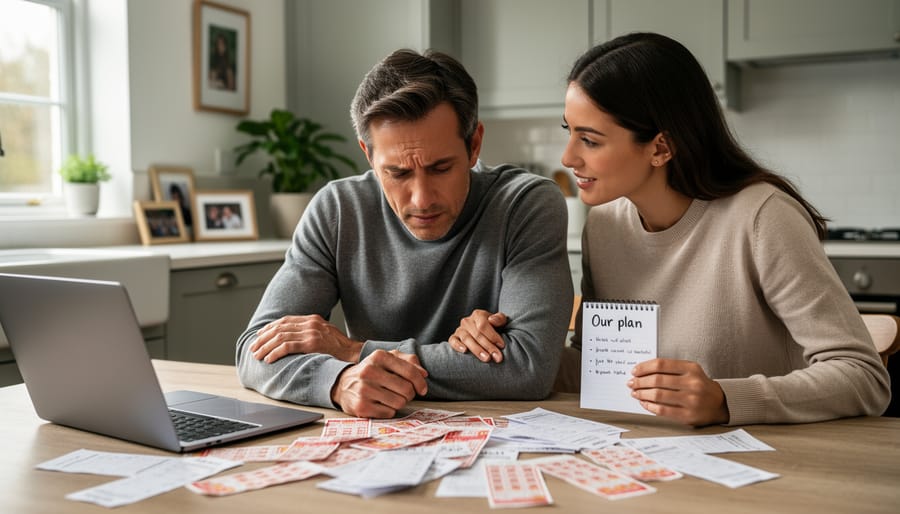
If you’re reading this because online gambling has affected your mental health, know that your concerns are valid and you’re not alone in this struggle. The connection between gambling and mental health challenges like anxiety, depression, and stress is real and well-documented. Recognizing that you need support is not a sign of weakness—it’s a courageous first step toward recovery.
Recovery is absolutely possible, even if it doesn’t feel that way right now. Thousands of people have successfully addressed problematic gambling behaviors and rebuilt their mental wellness. The journey may feel overwhelming, but you don’t have to navigate it alone. Mental health professionals who specialize in gambling-related issues understand exactly what you’re experiencing and can provide the tailored support you need.
Taking that first step might mean reaching out to a therapist, calling a gambling helpline, or simply talking to someone you trust about what you’re going through. Each small action moves you forward. Remember that healing isn’t linear—there will be challenging days, but with the right support and strategies, you can regain control and restore your mental health.
If you need immediate support, the National Council on Problem Gambling Helpline (1-800-522-4700) is available 24/7. You deserve support, understanding, and the opportunity to move toward a healthier future. That future is within reach, and it starts with the decision to seek help today.


