Therapeutic communication in mental health nursing is a purposeful, evidence-based approach to conversation that mental health professionals use to build trust, understand a patient’s emotional experience, and support healing. Unlike everyday conversation, it relies on specific verbal and nonverbal techniques designed to create a safe environment where patients feel heard, validated, and empowered to explore difficult thoughts and feelings.
This approach forms the foundation of effective mental health care. Research consistently shows that the quality of the nurse-patient relationship directly influences treatment outcomes, medication adherence, and recovery trajectories. When a mental health nurse uses therapeutic communication skillfully, they help patients articulate experiences they may struggle to express, identify patterns in their thinking, and develop insight into their conditions.
For nursing students entering psychiatric settings, these techniques can feel unnatural at first. Asking open-ended questions, tolerating silence, and reflecting emotions back to patients requires practice and intentionality. For patients and families navigating mental health treatment, understanding these communication principles can help you recognize quality care and participate more fully in the therapeutic process.
This article breaks down what therapeutic communication actually looks like in practice. You’ll learn the core principles that guide these interactions, the specific techniques nurses employ, and how different approaches serve different purposes across mental health settings. Whether you’re preparing for a clinical rotation, supporting a loved one through treatment, or receiving mental health care yourself, these insights can help you recognize and benefit from communication that truly heals.
What Is Therapeutic Communication in Mental Health Nursing?
Therapeutic communication is a structured, intentional form of interaction that mental health nurses use to support people experiencing emotional distress, anxiety, depression, and other mental health challenges. Unlike casual conversation, this approach centers entirely on the patient’s needs and wellbeing, with every word, pause, and gesture serving a healing purpose. It’s purposeful nurse-client communication designed to build trust, encourage honest expression of feelings, and create a safe environment where individuals feel heard and understood during vulnerable moments.
What sets therapeutic communication apart from everyday talk is its deliberate focus. While regular conversations involve equal give-and-take, therapeutic exchanges prioritize the patient’s emotional state and recovery. Nurses trained in this approach carefully choose their responses to validate feelings without judgment, explore concerns without rushing to solutions, and maintain professional boundaries while demonstrating genuine care.
Understanding the core concepts behind therapeutic communication helps clarify its transformative potential:
- Active Listening
- Fully concentrating on what the person is saying, both verbally and non-verbally, without planning your response while they speak. This means absorbing their words, tone, and body language to understand their experience deeply.
- Empathy
- The ability to recognize and connect with another person’s emotional experience without taking it on as your own. It’s stepping into their shoes while maintaining the clarity needed to provide support.
- Validation
- Acknowledging that someone’s feelings and experiences are real and understandable, even if you haven’t lived them yourself. Validation doesn’t mean agreement, but it communicates respect and acceptance.
- Therapeutic Alliance
- The collaborative relationship between nurse and patient built on mutual trust, respect, and shared goals for healing. This partnership forms the foundation for effective mental health care.
This specialized communication style proves essential in mental health settings because words carry enormous weight when someone is struggling. A nurse’s response can either open doors to healing or inadvertently cause harm. By mastering therapeutic techniques, mental health professionals create connections that help people move through crisis, process difficult emotions, and develop coping strategies for lasting wellness.
How Therapeutic Communication Works

The Therapeutic Relationship Foundation
The therapeutic relationship in mental health nursing begins long before words are exchanged. It starts with a nurse’s deliberate choice to be fully present, physically in the moment and emotionally available to witness another person’s pain without judgment or distraction.
Presence means more than showing up. It requires nurses to set aside their own concerns, silence the internal narrative about what needs to happen next, and focus entirely on the individual before them. This concentrated attention communicates a powerful message: you matter, and your experience is valid.
Consistency reinforces this foundation. When nurses follow through on commitments, maintain regular contact patterns, and respond predictably to distress, they create psychological safety. Someone experiencing anxiety or depression can predict what to expect, reducing the cognitive burden of navigating an unfamiliar relationship during an already overwhelming time.
Genuine concern cannot be faked. Patients sense the difference between professional courtesy and authentic investment in their wellbeing. This doesn’t mean nurses must feel intense emotion about every interaction, but it does require honest respect for each person’s humanity and struggle. When someone believes their nurse genuinely cares whether they improve, they’re more likely to engage honestly with treatment and share the thoughts they’ve been afraid to voice.
The Communication Process in Mental Distress
When a mental health nurse first encounters someone in distress, the communication process begins with careful observation. Before words are exchanged, the nurse assesses the person’s body language, emotional state, and immediate safety needs. This initial awareness shapes the approach.
The opening contact focuses on establishing safety and presence. The nurse introduces themselves calmly, explains their role, and begins building rapport through attentive listening. At this stage, the person may struggle to articulate their feelings clearly, mental distress often disrupts coherent thought and expression. The nurse responds with patience, allowing silence when needed and using gentle prompts to encourage sharing without pressure.
As the conversation develops, the nurse actively validates the person’s experience while gathering information about their mental state and support needs. They reflect what they hear, clarify confusing points, and avoid rushing toward solutions. This middle phase is where trust deepens.
Throughout ongoing interactions, the nurse continuously adjusts their approach based on the person’s responses, recognizing that communication needs shift as mental distress evolves. Each conversation builds on the previous one, creating a consistent therapeutic relationship that supports recovery and mental wellness over time.
Types and Components of Therapeutic Communication
Verbal Communication Techniques
Mental health nurses use specific verbal strategies to create conversations that promote healing and understanding. These therapeutic communication techniques aren’t just about exchanging information, they’re intentional methods designed to help patients explore their thoughts and feelings in a safe, structured way.
Open-ended questions invite expansive responses rather than simple yes or no answers. Instead of asking “Are you feeling anxious?” a nurse might say, “Can you tell me what you’re experiencing right now?” This approach gives patients permission to share their internal world without feeling constrained.
Reflection involves mirroring back what someone has expressed, helping them hear their own thoughts and feelings from a different angle. When a patient says, “I can’t cope with anything anymore,” a nurse might respond, “You’re feeling completely overwhelmed.” This validates the emotion while encouraging deeper exploration.
Clarification addresses ambiguity directly. If someone says, “Everyone’s against me,” the nurse might ask, “When you say ‘everyone,’ who specifically are you thinking about?” This technique helps patients articulate their experiences more precisely, which often reveals underlying concerns.
Summarizing pulls together key themes from the conversation, creating coherence from scattered thoughts and emotions. A nurse might say, “So this week, you’ve noticed your sleep has gotten worse, and you’re finding it harder to leave the house.” This demonstrates active listening and helps patients see patterns in their mental health journey.
Offering self means being genuinely present. A simple “I’m here with you” during a difficult moment can provide immense comfort without attempting to fix or minimize the distress.
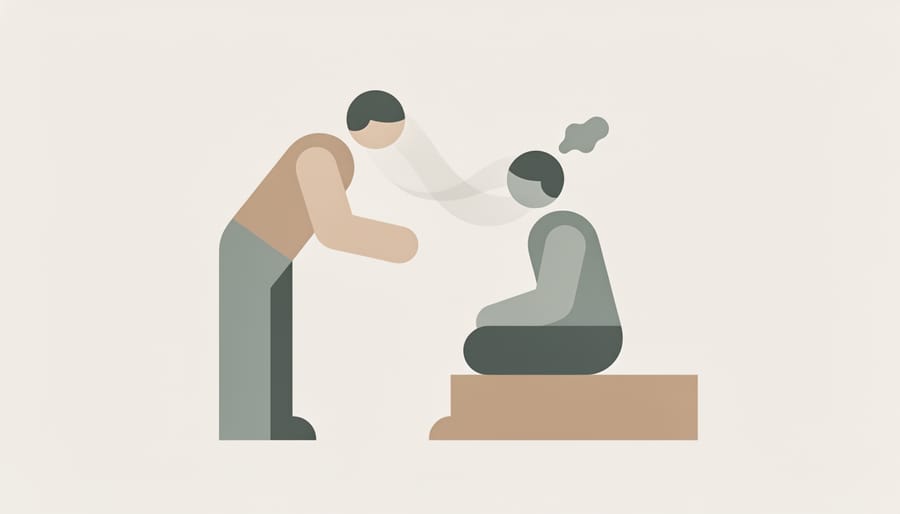
Non-Verbal Communication Elements
Your body often speaks before your words do, and in mental health nursing, these silent signals can either open doors or close them.
Body language shapes the entire therapeutic encounter. When you sit at eye level rather than standing over someone in distress, you signal equality and respect. Leaning slightly forward shows engagement, while an open posture, arms uncrossed, hands visible, communicates receptiveness. Nurses learn to mirror a patient’s energy level subtly, matching a calm stance to someone feeling anxious rather than appearing rushed or overly energetic, which can heighten their distress.
Eye contact requires careful calibration. Direct gaze demonstrates attention and sincerity, but staring can feel intrusive or aggressive, especially for someone experiencing paranoia or cultural backgrounds where prolonged eye contact is uncomfortable. Skilled nurses use soft, periodic eye contact that invites connection without demanding it, looking away naturally during pauses to give the person breathing room.
Tone of voice carries emotional weight that words alone cannot. A steady, warm vocal quality soothes anxiety, while a measured pace allows someone in crisis to process what you’re saying. The nonverbal communication elements you use can either reinforce or completely undermine your verbal message.
Personal space matters deeply. Maintaining appropriate distance, typically three to four feet, respects boundaries while remaining close enough to convey care. And silence, rather than awkwardness to fill, becomes a powerful tool that gives someone space to gather thoughts, feel emotions, and find their own words.
Barriers to Avoid
Mental health nurses must recognize and avoid communication patterns that undermine trust and healing. False reassurance ranks among the most damaging barriers, telling someone “everything will be fine” or “don’t worry” dismisses their legitimate concerns and shuts down honest dialogue about their distress.
Minimizing feelings through phrases like “it could be worse” or “others have it harder” invalidates the patient’s experience and signals that their emotions aren’t worth taking seriously. Similarly, judgmental language or facial expressions, showing shock, disapproval, or disgust, creates shame that prevents people from sharing openly about their mental health struggles.
Excessive questioning can feel like an interrogation rather than support, while offering advice prematurely (“you should just…”) assumes you know what’s best without fully understanding their situation. Changing the subject when topics become uncomfortable communicates that certain feelings are too difficult to handle, leaving patients isolated with their hardest thoughts.
Interrupting, finishing sentences, or talking about your own experiences shifts focus away from the patient’s needs. These barriers all stem from discomfort with emotional pain, but therapeutic communication requires nurses to sit with distress rather than rush to fix or deflect it.

Uses of Therapeutic Communication in Mental Health Settings
During Crisis Intervention
In moments of acute crisis, when someone experiences overwhelming anxiety, expresses suicidal thoughts, or spirals into emotional chaos, therapeutic communication becomes a lifeline. Mental health nurses use calm, steady vocal tones to counteract the internal storm the person is experiencing. They maintain an open, non-threatening posture and position themselves at the person’s eye level to avoid intimidation.
The nurse’s immediate priority is establishing safety through presence. They might say, “I’m here with you, and we’re going to work through this together,” providing an anchor when everything feels out of control. During suicidal crises, nurses ask direct questions without hesitation: “Are you thinking about ending your life?” This directness, paired with genuine concern rather than shock or judgment, communicates that these thoughts can be spoken aloud safely.
Reflection becomes crucial during emotional overwhelm. When someone says, “I can’t take this anymore,” a nurse might respond, “You’re feeling completely exhausted by what you’re going through.” This validation interrupts the escalation spiral because the person feels heard rather than argued with or dismissed. Strategic silence gives space for the person to regain composure between waves of distress, while the nurse’s steady presence reassures them they’re not alone in the darkest moment.
In Ongoing Treatment and Recovery
During regular treatment sessions, therapeutic communication helps you and your nurse track progress, adjust goals, and address setbacks without judgment. Your nurse might ask, “What changes have you noticed since we last met?” rather than simply checking items off a list. This opens space for you to share subtle shifts in mood or new challenges that emerged.
In medication management conversations, nurses use therapeutic communication to explore your actual experience with prescribed treatments. They’ll invite honest feedback about side effects, effectiveness, and concerns rather than assuming compliance. Questions like “How has the medication been working for you?” acknowledge that you’re the expert on your own body and experience.
For long-term wellness planning with depression or anxiety disorders, therapeutic communication focuses on sustainable strategies that fit your life. Your nurse collaborates with you to identify early warning signs, develop coping skills, and build support networks. They’ll validate both progress and struggles: “Recovery isn’t linear. Let’s look at what’s helping and where you might need different support.” This ongoing dialogue creates accountability without pressure, helping you stay engaged in your mental health journey even when motivation wavers.
Supporting Families and Caregivers
Family members and caregivers often feel helpless and confused when someone they love experiences mental health challenges. Mental health nurses extend therapeutic communication beyond the patient to support these vital support systems through education and collaboration.
Nurses help families understand what their loved one is experiencing without violating confidentiality. They explain symptoms of anxiety or depression in accessible terms, validate the caregiver’s emotional responses, and provide realistic expectations about recovery timelines. This reduces the fear and misunderstanding that can strain relationships.
Effective communication with families involves active listening to their concerns and frustrations. A nurse might say, “I hear how exhausted you are from managing these crises,” acknowledging the caregiver’s experience before offering practical coping strategies. They teach families which communication approaches help, like staying calm during episodes, and which can escalate situations.
Nurses also facilitate honest conversations between patients and families when relationships have become strained. By modeling respectful, non-judgmental communication, they create opportunities for healing connections that support long-term mental wellness.
This collaborative approach recognizes that family involvement strengthens treatment outcomes. When caregivers feel informed, supported, and equipped with communication tools, they become more effective partners in their loved one’s recovery journey.
Frequently Asked Questions
Can anyone learn therapeutic communication techniques?
Yes, while mental health nurses receive formal training in therapeutic communication, the core principles of active listening, empathy, and non-judgmental presence can be learned by anyone supporting someone through mental distress. However, applying these skills effectively in clinical settings requires professional education and supervised practice.
How is therapeutic communication different from regular conversation?
Therapeutic communication is intentional and patient-centered, with the nurse focusing entirely on the other person’s needs and wellbeing rather than sharing their own experiences or opinions. Unlike everyday conversation where both parties contribute equally, the nurse uses specific techniques to guide discussions toward healing and understanding.
What should I expect from a mental health nurse using therapeutic communication?
You can expect a nurse who listens without interrupting, maintains eye contact and a calm presence, asks thoughtful questions about your feelings and experiences, and creates a safe space where you feel comfortable expressing difficult emotions. They won’t judge you, offer quick fixes, or tell you how you should feel.
How does therapeutic communication help with anxiety and depression?
For anxiety, these techniques help you articulate worries that feel overwhelming and recognize patterns in your thinking. With depression, the nurse’s genuine concern and careful listening can break through isolation and help you feel heard when expressing feelings that are hard to put into words, which is often the first step toward healing.
These questions reflect concerns that individuals experiencing mental distress often have when first encountering mental health care. Understanding what therapeutic communication involves helps reduce anxiety about treatment and sets realistic expectations for the support you’ll receive.
If you’re supporting someone through mental distress, recognizing these communication patterns can help you understand how professionals work and what approaches might be helpful in your own conversations. The techniques mental health nurses use aren’t mysterious, they’re simply structured ways of showing genuine care and creating space for honest expression without fear of judgment or dismissal.
Therapeutic communication stands as a fundamental skill that transforms mental health nursing from clinical care into genuine healing partnerships. When you experience mental distress, whether from anxiety, depression, or emotional crisis, the way your nurse communicates with you matters profoundly. These intentional techniques create the safe space you need to express your feelings, process difficult emotions, and move toward recovery.
As you navigate your mental wellness journey, recognize that skilled therapeutic communication isn’t just pleasant bedside manner. It’s evidence-based practice designed to support your healing. When your nurse uses these techniques, they’re actively working to understand your unique experience and help you develop the insights and coping strategies you need. Effective communication doesn’t just support treatment; it is treatment, forming the foundation upon which all other mental health interventions build their success.