Living with chronic pain means carrying an invisible burden that reshapes every aspect of daily life, and if you’ve searched for chronic pain memes, you’re likely seeking what they offer: proof that someone else understands exactly what you’re going through. These memes have become a lifeline for millions because they capture the absurdity of explaining your pain level for the hundredth time, the frustration of cancelled plans, and the dark humor that becomes a survival tool when pain is your constant companion.
The numbers tell a sobering story. Nearly 8 million Canadians live with chronic pain, according to research published by the Public Health Agency of Canada in June 2026. Chronic conditions don’t just cause physical discomfort. They reshape identity, relationships, and daily rhythms in ways a diagnosis never fully prepares you for.
What makes these memes so powerful isn’t just the humor. They validate an experience that too often goes unrecognized. When you’re managing pain that others can’t see, when you’re exhausted from pretending you’re fine, when you’ve mastered the skill of mentally calculating whether an activity is “worth” the pain increase it’ll cause, finding a meme that articulates exactly that feeling creates an instant sense of community. You’re not being dramatic. You’re not alone. Someone else gets it.
This article explores why chronic pain memes resonate so deeply, validates the emotional weight you’re carrying, and provides evidence-based strategies for managing both the physical reality of pain and its often-overlooked mental health impact.
Why Chronic Pain Memes Resonate So Deeply
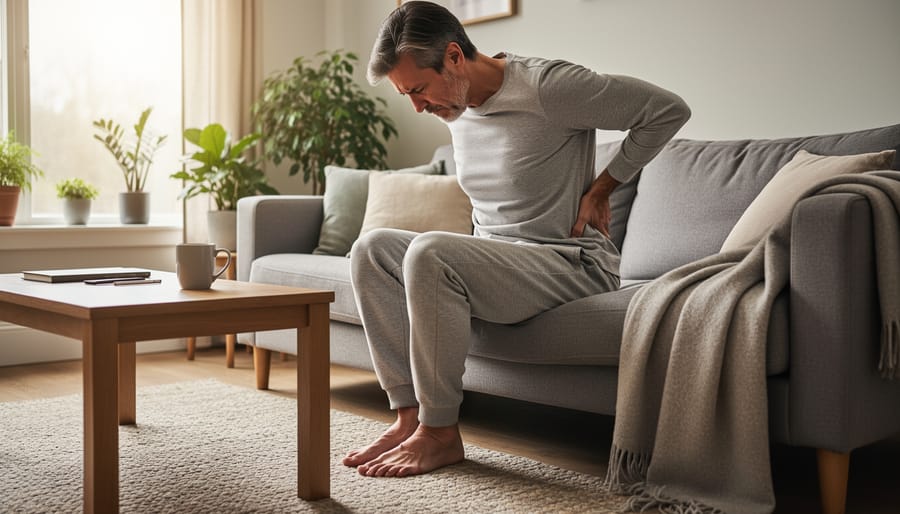
When you’ve spent yet another sleepless night navigating pain flares, scrolling through chronic pain memes at 3 a.m. can feel like stumbling into a room full of people who just get it. No explanations needed. No forced positivity. Just recognition.
Nearly 8 million Canadians live with chronic pain, yet many describe feeling profoundly alone in their experience. This contradiction is exactly why memes have become such a powerful tool. They transform private suffering into shared language, creating instant validation that’s hard to find elsewhere.
The psychology behind this resonance is straightforward. When you’re dealing with an invisible illness, you’re constantly translating your experience for others who can’t see what you’re going through. That gets exhausting. Chronic pain memes skip the translation entirely. A simple image paired with “my body deciding which random body part hurts today” does what hours of conversation sometimes can’t: it makes you feel understood.
Humor also provides emotional distance from something that otherwise consumes your daily life. Laughing at the absurdity of explaining your pain scale to a doctor for the hundredth time doesn’t erase the frustration, but it does defuse some of its power. It’s a way of reclaiming control when chronic pain constantly reminds you how little control you actually have.
These memes create community in spaces where traditional support might feel inaccessible. You don’t need energy to attend a support group or explain your history to new people. You just need to scroll, recognize yourself in someone else’s experience, and feel a little less alone. That simple act of recognition matters more than it might seem from the outside.
The Hidden Emotional Burden of Chronic Pain
The Isolation Factor
Chronic pain doesn’t just hurt your body, it can quietly shrink your social world. When you’re constantly managing symptoms, turning down invitations becomes routine. Eventually, friends stop asking. You cancel plans so often that people assume you’re unavailable, and the gap between you and your former social life widens.
Recent Canadian research published in June 2026 found a significant connection between chronic disease and social isolation, revealing patterns that many chronic pain sufferers recognize immediately. The study highlights how persistent health conditions fundamentally alter social participation and connection.
The withdrawal happens gradually. You skip events because you’re exhausted or hurting. You avoid making commitments because you can’t predict how you’ll feel tomorrow. Social media shows everyone else living normally while you’re home again, which deepens the sense of being left behind. This isolation often triggers the physical symptoms of depression fatigue, sleep disturbances, changes in appetite, that compound what you’re already experiencing from chronic pain.
The invisibility of your condition makes it worse. Unlike a visible injury, chronic pain requires constant explanation, and most people struggle to understand why you can’t “just push through it.” Over time, staying home feels easier than facing those conversations, even though isolation intensifies both physical and emotional suffering.
Identity and Self-Worth Challenges
When chronic pain becomes a constant companion, it doesn’t just change what you can do, it changes who you believe you are. The person who once thrived in a demanding career may struggle with tasks that seem impossibly simple. The parent who ran after toddlers now watches from the sidelines. These shifts strike at the core of identity, forcing a renegotiation of self-worth that most people never anticipated.
Career identity takes one of the hardest hits. Many people living with chronic pain face reduced work hours, job changes, or leaving the workforce entirely. The professional identity you built over years can feel like it’s slipping away, replaced by a version of yourself you didn’t choose and don’t recognize. When colleagues ask “How are you?” there’s often no good answer that feels both honest and professional.
Personal relationships shift under this weight too. Plans get cancelled last-minute. Social invitations decline because explaining why you can’t commit feels exhausting. Some friends drift away, unable to understand why you can’t just push through. Others stay but struggle to grasp that chronic pain isn’t something you’ll eventually “get over.” This isolation compounds the identity crisis, as social connections often form the scaffolding of who we understand ourselves to be.
The loss of independence in daily activities adds another layer. Needing help with tasks you once did without thinking, from opening jars to climbing stairs, can trigger feelings of inadequacy and shame. These shifts often intersect with mental health challenges, and understanding the facts about depression becomes crucial, as chronic pain and depression frequently occur together.
Rebuilding a sense of self worth navigating these changes requires acknowledging that value isn’t measured by productivity or physical capability alone.
Common Themes in Chronic Pain Memes
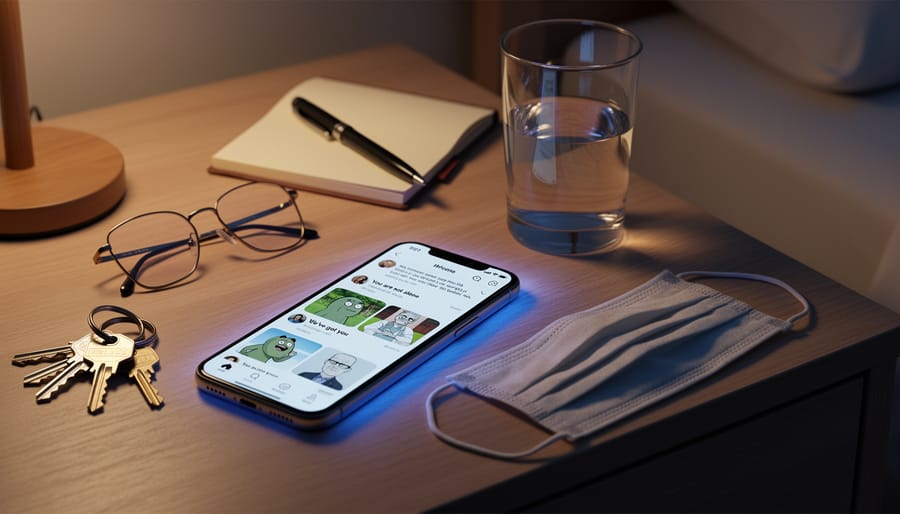
Scroll through any chronic pain community online and you’ll spot the same themes appearing again and again. These patterns aren’t random. They reflect the universal struggles that people living with chronic pain face daily, often in isolation until they discover others who truly get it.
The “but you don’t look sick” trope dominates chronic pain meme culture for good reason. When your condition is invisible, you’re constantly navigating the gap between how you feel and how others perceive you. Memes capture this frustration perfectly: the image showing someone’s cheerful public face alongside the reality of their internal struggle, or the eye-roll-inducing “Have you tried yoga?” suggestions from well-meaning friends. These resonate because they validate an experience that’s exhausting to explain repeatedly.
Medication trials inspire an entire subgenre of dark humor. The endless cycle of trying new treatments, dealing with side effects that sometimes feel worse than the original condition, and the perpetual question “Is this helping or am I just hoping it is?” gets transformed into relatable content. One popular format shows the stages of trying a new medication: initial optimism, weird side effects, disappointment, and back to square one. It’s funny because it hurts.
The fatigue cycle generates countless memes because it defies logic to those who haven’t experienced it. Pain causes exhaustion. Exhaustion makes pain worse. Pain disrupts sleep. Poor sleep intensifies pain. Round and round it goes. Memes depicting this vicious circle help people laugh at something that otherwise feels hopeless.
Good days versus bad days might be the most bittersweet theme. Memes show the whiplash of having one productive day followed by three bedridden, or the guilt of canceling plans when yesterday you felt almost normal. The unpredictability of chronic pain makes planning impossible, and humor becomes a way to cope with constant disappointment.
Finally, medical system navigation provides endless material. The referral maze, the wait times, the specialists who seem confused by your chart, the insurance denials. These systemic frustrations unite chronic pain sufferers across different conditions, creating a shared language of institutional absurdity.
These themes matter because they turn solitary suffering into communal recognition. When you see your exact experience reflected in a meme someone else created, you’re reminded that your struggle is real, valid, and understood by others fighting the same invisible battle.
Using Humor as a Healthy Coping Strategy
Humor about chronic pain can be remarkably therapeutic when used intentionally. Research shows that laughter triggers endorphin release, which can temporarily reduce pain perception and improve mood. When you share a meme that captures your experience of explaining chronic pain for the hundredth time, you’re not just making light of your situation, you’re processing difficult emotions and connecting with others who understand.
The key distinction lies in whether humor helps you cope with your situation or helps you avoid addressing it. Healthy humor acknowledges the reality of chronic pain while finding moments of lightness within that reality. It might look like laughing at the absurdity of having a “good pain day” that would still be considered awful by healthy standards, or joking about your collection of heating pads. This type of humor doesn’t deny the struggle; it simply refuses to let the struggle consume every moment.
Unhealthy humor, by contrast, becomes a wall that prevents you from seeking treatment or being honest about your pain levels. If you find yourself dismissing legitimate concerns with jokes instead of talking to your doctor, or if humor is your only way of discussing pain because you can’t be straightforward about it, the coping mechanism has crossed into avoidance. Similarly, if making fun of your condition becomes so constant that it prevents moments of genuine vulnerability with people you trust, you might be using humor as armor rather than connection.
The balance looks different for everyone. Some people find that participating in chronic pain meme communities helps them feel less alone and more validated. Others might prefer occasional humor interspersed with serious conversations about treatment options and mental health support. What matters is that your use of humor coexists with proactive pain management, regular medical care, and honest communication about how you’re really doing both physically and emotionally.
Building Community Through Shared Experience
When you share a meme about forgetting why you walked into a room because brain fog hit mid-stride, and someone comments “I felt this in my soul,” something shifts. You’re reminded you’re not making this up, not exaggerating, not alone. That simple exchange carries weight because chronic pain can feel profoundly isolating, even when you’re surrounded by people who care about you.
Online communities built around chronic pain memes create spaces where you don’t need to explain yourself. Everyone already knows what “good day” actually means when you live with persistent pain. They understand the dark humor in joking about your medication collection or the absurdity of being told to “just try yoga.” This shared language reduces the exhausting work of translation that dominates so many conversations with people who haven’t lived this experience.
The validation these communities offer isn’t trivial. When nearly 8 million Canadians live with chronic pain, finding others who truly understand can counter the isolation that often accompanies chronic conditions. You can laugh together, vent without judgment, and exchange practical wisdom that doesn’t come from a textbook.
To connect meaningfully while protecting your wellbeing, start by observing before diving in. Notice which groups feel supportive versus those that spiral into negativity. Set boundaries around your time and emotional energy. It’s okay to mute notifications when you need a break or to skip threads that drain rather than uplift you.
Choose communities where people balance acknowledgment of struggles with forward movement. The healthiest spaces allow both the hard truths and the humor, the frustration and the hope. They remind you that seeking community doesn’t replace professional support, but rather complements it as part of comprehensive care for your mental and physical health.
Practical Strategies for Living With Chronic Pain
Mental Health Support Options
Several evidence-based therapy approaches can significantly improve quality of life for people managing chronic pain, addressing both the physical sensations and emotional toll.
Cognitive Behavioral Therapy (CBT) helps you identify and reshape unhelpful thought patterns that intensify pain perception. Through CBT, you’ll learn to challenge catastrophic thinking (“This pain will never end”) and develop practical coping strategies. Research consistently shows CBT reduces pain-related disability and improves mood, even when pain levels themselves don’t dramatically change.
Acceptance and Commitment Therapy (ACT) takes a different approach. Rather than fighting to eliminate pain, ACT teaches you to acknowledge discomfort while still pursuing meaningful activities. This therapy focuses on building psychological flexibility and reconnecting with your values, which helps break the cycle where pain controls every life decision.
Support groups offer validation that individual therapy sometimes can’t provide. Connecting with others who truly understand the invisible burden of chronic conditions reduces isolation and provides practical wisdom from lived experience. Many people find a combination works best: individual therapy for personal challenges alongside group sessions for community support.
When choosing mental health support, look for therapists experienced in chronic pain or health psychology. They’ll understand that managing pain isn’t about “staying positive” or “mind over matter,” but about building genuine resilience alongside your medical treatment plan.
Daily Management Techniques
Managing chronic pain effectively means working within your body’s limits rather than fighting against them. Start with activity pacing: break tasks into smaller chunks with built-in rest periods. If grocery shopping exhausts you, spread it across two days or use delivery services without guilt. Track your energy patterns for a week to identify when you naturally have more capacity, then schedule demanding activities during those windows.
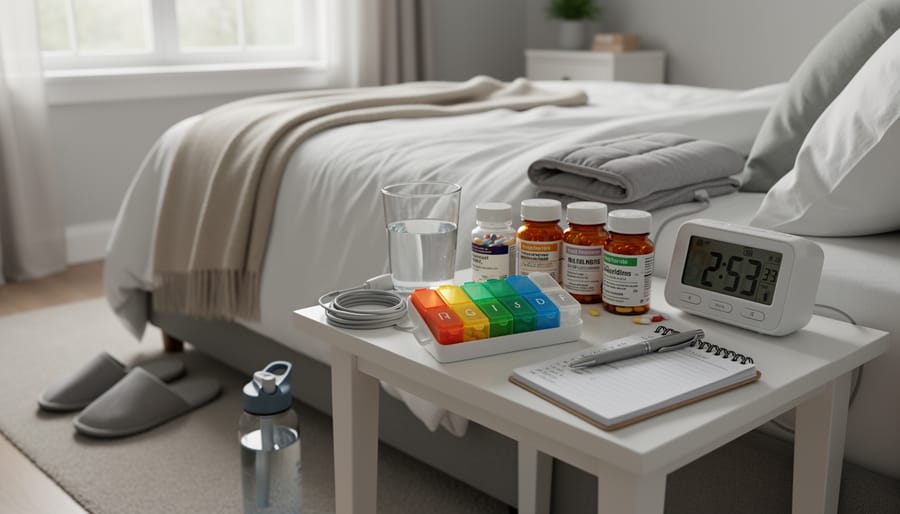
Sleep hygiene becomes crucial when pain already disrupts rest. Keep your bedroom cool and dark, establish a consistent bedtime routine, and avoid screens an hour before sleep. Some people find relief using supportive pillows or adjustable beds to reduce pressure points. If pain wakes you at night, have a plan ready: gentle stretches, heating pads, or calming breathing exercises can help you settle back down.
Energy conservation isn’t laziness; it’s strategic living. Sit while cooking, keep frequently used items at waist height, and use assistive devices without shame. A reacher-grabber tool or shower chair isn’t giving up, it’s choosing to save energy for what matters most.
Build stress reduction into your routine. Even five minutes of deep breathing, progressive muscle relaxation, or guided meditation can lower pain levels. Experiment with what works: nature sounds, gentle yoga, journaling, or simply sitting quietly with tea.
Create routines that adapt to good and bad days. Have a simplified version of your morning routine ready for high-pain days. The goal isn’t perfection; it’s sustainability that lets you function long-term.
Communicating Your Experience
Explaining chronic pain effectively requires finding language that bridges the gap between your internal experience and others’ understanding. When talking to family and friends, use concrete comparisons rather than abstract descriptions, instead of “I’m in pain,” try “my joints feel like they’re grinding against each other” or “it’s like a constant flu ache that never lifts.” This specificity helps loved ones grasp what you’re experiencing without requiring medical knowledge.
With employers, focus on capabilities and accommodations rather than limitations. Frame conversations around what you need to perform your work effectively: flexible scheduling, ergonomic adjustments, or the option to work from home during flare-ups. Be clear about what you can deliver rather than dwelling on what’s difficult.
Healthcare providers respond best to tracked data and specific descriptions. Keep a pain journal noting intensity, location, triggers, and what helps. Document how symptoms affect daily activities, this gives your doctor actionable information beyond “everything hurts.” When discussing mental health impacts, the same clarity applies; learn to communicate during mental distress using concrete language about how pain affects your mood, sleep, and functioning. The more precise you are, the better others can support you, whether they’re adjusting treatment plans or simply understanding why you canceled plans.
When to Seek Additional Support
Living with chronic pain doesn’t just affect your body, it can take a serious toll on your mental health. While memes and community support help many people cope, there comes a point when additional professional support becomes essential.
Watch for these warning signs that indicate it’s time to reach out for support: persistent feelings of hopelessness or worthlessness that last more than two weeks, loss of interest in activities you once enjoyed, withdrawal from friends and family, significant changes in sleep patterns beyond pain-related disruptions, or thoughts of self-harm or suicide.
Depression and anxiety often accompany chronic pain, but they’re not inevitable parts of your condition. If you notice your mood affecting your relationships, work, or daily functioning, that’s your cue to seek help. Similarly, if you’re using humor and memes as your sole coping strategy while avoiding medical treatment or refusing to discuss your struggles with anyone, this pattern warrants professional attention.
Increased reliance on alcohol, medications beyond prescribed amounts, or other substances to manage emotional pain signals a need for intervention. The same applies if you’re experiencing panic attacks, overwhelming anxiety about future pain episodes, or catastrophic thinking patterns that dominate your day.
Mental health support for chronic pain patients often includes therapy approaches specifically designed for your situation, such as cognitive behavioral therapy or acceptance and commitment therapy. These aren’t about dismissing your pain as “all in your head”, they’re evidence-based tools that help you manage the mental health challenges that chronic conditions create while you continue treating the physical aspects.
Living with chronic pain demands more than physical endurance. It reshapes how you move through the world, how you see yourself, and how you connect with others. The memes you’ve encountered aren’t just jokes, they’re lifelines that remind you others truly understand what it means to navigate invisible illness every single day.
Humor and community serve as legitimate coping mechanisms, not replacements for treatment but powerful companions to it. Finding others who get it, who laugh at the same absurdities of explaining your condition for the hundredth time or celebrating a rare good day, creates validation that clinical settings can’t always provide. These shared moments matter.
Balance comes from addressing both sides of chronic pain: the physical symptoms that demand medical attention and the mental health toll that deserves equal care. You don’t have to choose between managing your body and protecting your mind. Therapy, support groups, medication management, lifestyle adjustments, and yes, the occasional meme that makes you feel seen, all of these belong in your wellness toolkit.
If chronic pain is affecting your mental health, reaching out for professional support isn’t giving up. It’s recognizing that comprehensive care means treating the whole person, not just isolated symptoms. You deserve support that acknowledges every dimension of your experience.