A workplace health and safety policy is a formal document that commits your organization to protecting employees from physical hazards, psychological harm, and workplace injury. In Canada, federally regulated employers must comply with the Canada Occupational Health and Safety Regulations under Part II of the Canada Labour Code, which mandates minimum requirements including hazard prevention, proper use of Personal Protective Equipment, and clear work procedures with appropriate training.
At its core, an effective policy does three things: it identifies potential hazards before they cause harm, establishes protective measures and protocols, and assigns clear responsibility for safety oversight. Senior management must sign the written policy, and workplaces with 20 or more employees need a Joint Health and Safety Committee to ensure accountability extends beyond paperwork.
What makes a truly comprehensive safety policy stand apart in 2026 is its recognition that employee wellbeing encompasses more than hard hats and emergency exits. Psychological safety, stress management, and mental health support belong in the same framework as fire drills and ergonomic assessments. Workers facing chronic stress, burnout, or anxiety are at greater risk for accidents, absenteeism, and long-term disability. Yet many organizations still treat mental health as a separate HR concern rather than an integrated component of workplace safety.
This guide walks you through the essential elements every workplace health and safety policy must contain to meet regulatory standards, with particular attention to embedding mental health protections throughout the framework. Whether you’re drafting your first policy, updating an existing one, or simply trying to understand your rights and protections as an employee, you’ll find practical, expert-backed guidance that respects both compliance requirements and human dignity.
The Core Components Every Workplace Safety Policy Needs
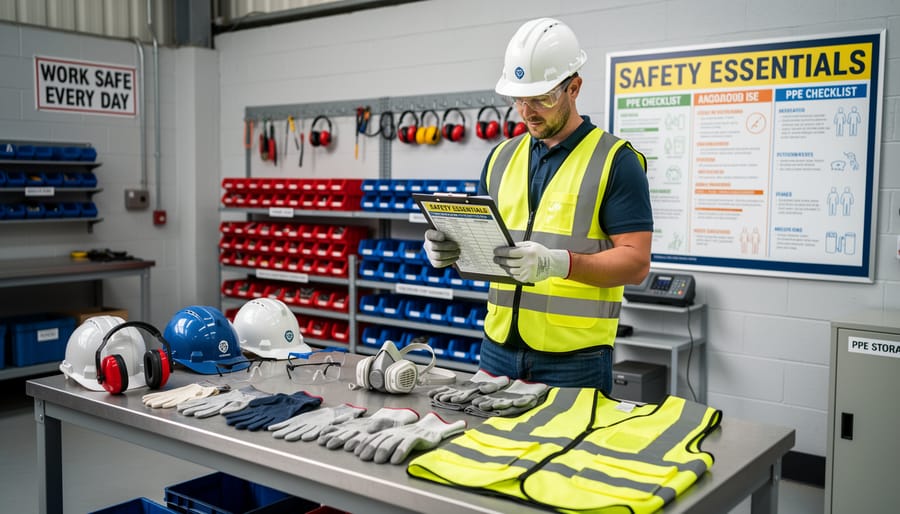
A comprehensive workplace safety policy isn’t a token document gathering dust in a filing cabinet. It’s a working framework that protects everyone on your team, and under frameworks like the Canada Occupational Health and Safety Regulations, it must contain specific elements to meet legal standards and genuinely safeguard wellbeing.
At its foundation, your policy needs a clear system for hazard identification and controls that actively recognizes risks before they harm anyone. This means documenting how your workplace spots potential dangers, both obvious ones like machinery or chemicals and less visible threats such as repetitive strain, noise exposure, or chronic workplace stress. Once identified, the policy must outline preventative and protective measures: the concrete steps you’ll take to eliminate hazards where possible or minimize them when elimination isn’t feasible.
Every effective policy includes these core components:
- Hazard identification procedures covering physical, chemical, biological, and psychological risks
- Preventative and protective measures tailored to each identified hazard
- Personal Protective Equipment (PPE) requirements, including proper selection, use, and maintenance protocols
- Work procedures and safe operating standards for all tasks and equipment
- Training programs that ensure every worker understands risks and knows how to work safely
- Incident reporting and investigation processes that treat near-misses as learning opportunities
- Emergency response procedures for various scenarios, from fires to mental health crises
- Psychological hazard recognition, addressing workload stress, workplace conflict, and emotional safety
Training isn’t optional. Regulations specify that workers must receive instruction on proper work procedures, how to recognize hazards, and when to use protective equipment. But training also needs to extend beyond technical skills to include recognizing signs of mental distress in themselves and coworkers.
Your policy should establish clear work procedures for every task that carries risk, whether that’s operating a forklift or managing a high-stress client interaction. These procedures translate regulatory requirements into practical daily actions.
What makes a policy comprehensive in 2026 is the explicit inclusion of psychological hazards alongside physical ones. Workplaces that acknowledge only slips, falls, and chemical exposure miss half the safety equation. Stress overload, hostile work environments, and inadequate support structures cause real harm. A policy that addresses both dimensions doesn’t just check regulatory boxes. It creates a workplace where people feel protected in every sense that matters.
Who Creates and Approves Your Safety Policy
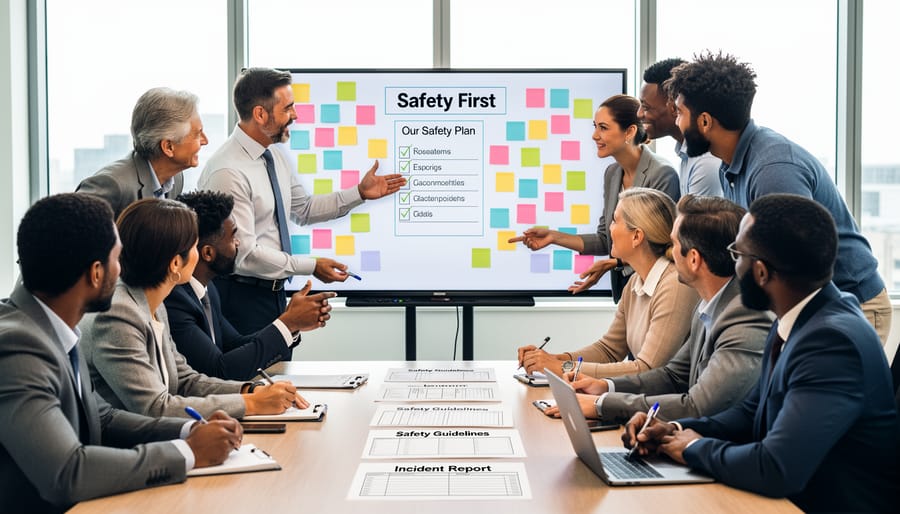
Creating a workplace safety policy isn’t a solo act, and it shouldn’t be. Real protection comes from combining expertise at the top with frontline insight from the people who face the hazards every day.
Senior management must formally approve and sign the policy. That signature isn’t ceremonial; it signals accountability and authorizes the resources needed to make safety real. When leadership owns the policy, it moves from paperwork to priority.
But management can’t write it alone. At workplaces with 20 or more employees, you’re legally required to establish a Joint Health and Safety Committee. These committees bring together worker and employer representatives to identify hazards, investigate incidents, and shape the policies that keep everyone safe. Federal health and safety committees play a critical role in ensuring policies reflect actual workplace conditions, not just regulatory checklists.
Even in smaller workplaces without formal committees, meaningful worker input matters. The people doing the job know where the pressure points are, both physical and psychological. They can tell you which procedures feel rushed, which demands pile up stress, and where support falls short.
This is where mental health advocates become essential. Including someone who understands psychological hazards, whether that’s an employee assistance professional, a trained peer supporter, or a worker with mental health expertise, ensures the policy addresses anxiety, burnout, and emotional wellbeing alongside physical risks.
Effective policies emerge from collaboration, not dictation. When workers help shape the rules that protect them, they trust those rules. When mental health gets a seat at the table, psychological safety becomes part of the foundation, not an afterthought.
Regulatory Foundations: Understanding Your Legal Obligations
Understanding your legal obligations isn’t about satisfying bureaucratic requirements, it’s about knowing what protections you’re entitled to and what your employer must provide. In Canada, workplace safety policies aren’t optional suggestions. They’re legally mandated frameworks rooted in federal and provincial regulations designed to protect every worker’s wellbeing.
For federally regulated workplaces, the Canada Labour Code Part II establishes the foundation through the Canada Occupational Health and Safety Regulations. These regulations set minimum health and safety requirements that employers must meet, covering everything from hazard identification and preventative measures to the proper use of Personal Protective Equipment and training protocols. The regulations don’t just list requirements, they create a floor, not a ceiling. Your workplace can, and should, exceed these minimums.
What makes 2026 different from a decade ago is the growing regulatory recognition that psychological safety matters as much as physical safety. While traditional regulations focused heavily on physical hazards, current interpretations increasingly acknowledge that stress, harassment, and workload pressure create genuine health risks requiring policy protection. This shift reflects what mental health advocates have known for years: you can’t separate workplace safety from psychological wellbeing.
The regulations also mandate accountability structures. Senior management must formally sign the policy, making their commitment official and enforceable. Workplaces with 20 or more employees must establish Joint Health and Safety Committees, ensuring workers have a voice in safety decisions. These aren’t symbolic gestures, they’re legal requirements recognizing that effective safety depends on collaboration, not top-down directives.
While specific requirements vary by jurisdiction and industry, the core principles remain universal: employers must identify hazards, implement protective measures, train workers properly, and create systems that prevent harm before it occurs.
Why Mental Health Belongs in Your Workplace Safety Policy
Psychological Hazards to Address

Excessive workload stands among the most damaging psychological hazards in modern workplaces. When employees consistently face unrealistic deadlines, insufficient resources, or impossible task volumes, chronic stress takes hold, manifesting as anxiety, burnout, and physical health problems. Your policy should establish clear guidelines for reasonable workload distribution, mandatory breaks, and regular check-ins between supervisors and staff about capacity.
Lack of control over how and when work gets done creates a persistent sense of helplessness. Policies must address decision-making authority, allowing workers meaningful input on their schedules, methods, and priorities wherever possible. Micromanagement and rigid processes that ignore worker expertise are preventable hazards, not inevitable management styles.
Workplace bullying, harassment, and exclusion inflict serious psychological harm. Your safety policy needs explicit zero-tolerance statements, clear reporting mechanisms with confidentiality protections, and swift investigation procedures. This includes addressing subtle forms like deliberate isolation, credit theft, and public humiliation.
Inadequate support during difficult situations compounds trauma. Policies should guarantee access to Employee Assistance Programs, mental health resources, and training that teaches colleagues how to help someone in distress without judgment or dismissiveness.
Exposure to traumatic incidents, whether violence, accidents, or distressing client situations, requires specific protocols. Your policy must outline immediate support responses, debriefing procedures, and access to professional counseling following critical events.
Training and Communication: Making Your Policy Work
A safety policy that sits unread in a filing cabinet protects no one. Real protection comes through consistent training that makes safety second nature, and that includes recognizing when someone is struggling mentally.
The Canada Occupational Health and Safety Regulations require training on proper work procedures, hazard recognition, and protective measures. This isn’t a one-time orientation box to check. Effective training means regular sessions where workers learn to spot both physical dangers and psychological warning signs. When someone knows how to be there in crisis or communicate during distress they become part of a safety net that extends beyond helmets and fire exits.
Start with accessible language. Legal jargon kills engagement. Translate policy requirements into plain terms that answer the question every worker actually asks: “What do I do if something goes wrong?” Use real scenarios. Role-play conversations about workload concerns or spotting burnout in a teammate. Make mental health as concrete as ladder safety.
Training should be ongoing, not annual. Brief toolbox talks, visual reminders, and refreshers keep safety top of mind. Rotate who leads sessions so different voices and perspectives shape the conversation. Workers learn better from peers than from lectures.
Communication matters just as much as content. Post policies where people actually see them, break rooms, digital dashboards, team channels. Senior management must reinforce that speaking up about hazards, whether a broken railing or overwhelming stress, is expected and protected. When leadership models this openness, the culture shifts. Safety becomes something everyone owns, not something imposed from above.
Common Questions About Workplace Safety Policies
Does your workplace legally require a written safety policy? If your organization is federally regulated in Canada and employs people, yes, the Canada Occupational Health and Safety Regulations mandate comprehensive policies covering hazard identification, preventative measures, and training. Provincially regulated workplaces face similar requirements under their jurisdictions. The specifics vary by industry and size, but the fundamental obligation remains: employers must document how they protect worker wellbeing.
Who needs a written safety policy?
Any employer with workers should have a documented safety policy. Federally regulated workplaces must comply with the Canada Occupational Health and Safety Regulations, while provincial regulations govern other employers with similar requirements.
What happens if my workplace doesn’t have one?
Employers without proper safety policies face regulatory penalties and increased liability. More importantly, workers remain unprotected from identified hazards, and you have the right to contact your health and safety representative or regulatory authority.
Can I request mental health be added to my workplace policy?
Absolutely. You can raise this through your Joint Health and Safety Committee (required at workplaces with 20+ employees), directly with management, or through your union representative if applicable. Psychological hazards are legitimate safety concerns.
What are my rights if the policy isn’t followed?
You have the right to refuse unsafe work, report violations to your health and safety committee, and contact regulatory authorities. Your employer cannot retaliate against you for raising legitimate safety concerns, including mental health issues.
Many workers worry about appearing difficult when questioning safety practices. You’re not. Advocating for comprehensive protections, including psychological safety, access to suicide prevention resources and stress management support, benefits everyone. Strong safety policies reduce workplace injuries, lower absenteeism, and create environments where people can focus on their work without constant anxiety about their wellbeing. If your workplace policy feels incomplete or outdated, starting the conversation about improvements is both your right and a service to your colleagues.
A workplace safety policy protects more than bodies. It safeguards minds, morale, and the capacity to come to work without fear. Physical hazards and psychological risks aren’t separate concerns, they’re intertwined, and addressing both isn’t just good practice. It’s essential.
If your workplace doesn’t yet treat mental health as a safety priority, you have the right to ask why. Safety policies aren’t red tape. They’re living frameworks that signal whether an organization truly values its people. When stress, harassment, and burnout are named as hazards alongside falls and chemical exposure, it changes the conversation. Workers feel seen. Leaders demonstrate accountability.
You don’t need to be in HR or senior management to advocate for better policies. Raise questions at safety meetings. Request mental health training. Suggest that the Joint Health and Safety Committee include psychological hazards in their reviews. Small, specific asks create momentum.
Organizations that invest in comprehensive safety cultures see measurable benefits: lower absenteeism, stronger engagement, reduced turnover. But the deeper win is this, people thrive when they feel safe, physically and emotionally. That’s not a soft outcome. It’s the foundation of sustainable work.
Your wellbeing matters. A strong safety policy should reflect that truth in every line, and you deserve nothing less.