Most panic attacks pass within several minutes, but a severe anxiety attack can feel life-threatening in the moment and may require immediate intervention. Understanding whether your symptoms warrant a call to 9-1-1, the 9-8-8 crisis line, or self-management techniques can mean the difference between suffering through confusion and getting the help you need when seconds count.
A severe anxiety attack escalates beyond typical nervousness. You might experience crushing chest pain, difficulty breathing, numbness in your limbs, or an overwhelming sense that you’re dying or losing control. These symptoms mirror those of a heart attack, making it difficult to distinguish between a medical emergency and a panic response. When you can’t breathe, when chest pain radiates down your arm, or when you lose consciousness, call 9-1-1 immediately.
The 9-8-8 crisis line serves a different but equally critical purpose. If you’re experiencing suicidal thoughts during or after an anxiety attack, or if someone you know is in crisis, call or text 9-8-8 for free, confidential support available 24 hours a day, 7 days a week. In Canada, this service provides bilingual, trauma-informed, and culturally appropriate mental health support designed specifically for psychological crises.
Recognizing severity isn’t always straightforward. Duration matters, but so does intensity and your ability to function. A panic attack that lasts beyond 20 minutes, recurs multiple times in one day, or leaves you unable to move or speak safely requires professional evaluation. The context of your symptoms shifts the urgency too. An attack triggered by a known stressor like shopping anxiety differs from one that strikes without warning or escalates despite using coping strategies you’ve relied on before.
This guide will help you identify true medical emergencies, understand the timeline of severe anxiety symptoms, and know exactly when to reach for the phone.
Recognizing a Severe Anxiety Attack: What Happens and How Quickly
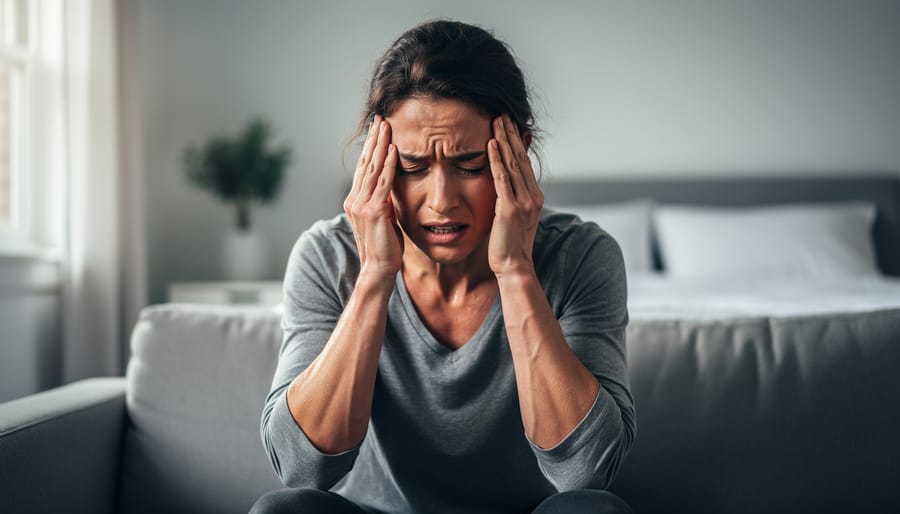
A severe anxiety attack, often called a panic attack, strikes fast and can feel utterly overwhelming. Your heart pounds or races, your chest tightens, and breathing becomes rapid or shallow. You may experience sweating, trembling, dizziness, nausea, or tingling in your hands and feet. Many people describe a crushing sense of impending doom, a feeling that something catastrophic is about to happen, or an intense fear of losing control or dying. These sensations can be so powerful that they’re easily mistaken for a heart attack or other medical emergency.
The physical symptoms emerge suddenly, often peaking within minutes. Most panic attacks pass within several minutes, though some linger for 20 to 30 minutes before subsiding. During those minutes, your body’s fight-or-flight response has kicked into overdrive, flooding your system with adrenaline. Your breathing quickens to supply more oxygen, your heart rate spikes, and your muscles tense in preparation for perceived danger, even when there’s no actual physical threat.
Psychologically, the experience is just as intense. You might feel detached from reality or from your own body, as though you’re watching yourself from outside. Thoughts race, focus narrows, and the world can feel unreal or dreamlike. Some people experience tunnel vision or feel convinced they’re about to faint, even if they remain conscious throughout. Understanding this baseline experience helps you distinguish between a severe but manageable attack and symptoms that genuinely require emergency intervention.
When to Call for Immediate Help: Emergency vs. Non-Emergency
When to Call 9-1-1
Call 9-1-1 immediately if you or someone nearby experiences chest pain that could indicate a heart attack rather than anxiety. While anxiety attacks often involve chest tightness, symptoms that radiate down the left arm, into the jaw, or across the back warrant emergency medical evaluation. You cannot reliably self-diagnose the difference.
Loss of consciousness during an attack is another clear emergency signal. If someone collapses, stops responding, or cannot be roused, they need paramedics regardless of whether anxiety triggered the episode.
Call for help if the person poses an immediate danger to themselves or others. This includes situations where someone is attempting self-harm, threatening violence, or behaving erratically in ways that create safety risks. Severe confusion, inability to recognize familiar surroundings, or sudden personality changes also require emergency assessment.
If symptoms intensify dramatically after twenty minutes rather than subsiding, or if breathing becomes so laboured that speaking is impossible, treat it as a medical emergency. When in doubt about whether symptoms indicate a heart problem, stroke, or anxiety, always err on the side of calling 9-1-1. Paramedics would rather rule out a cardiac event than have you delay critical care.
When to Call or Text 9-8-8
If you’re experiencing thoughts of suicide or your distress feels unmanageable, call or text 9-8-8 to reach Canada’s crisis line. This service connects you to trained responders who understand severe anxiety and can help you through the immediate crisis, whether you’re struggling with suicidal thoughts, feeling completely overwhelmed during an attack, or worried about someone else.
The 9-8-8 line operates 24 hours a day, every day of the year, offering bilingual, trauma-informed support that respects your experience without judgment. All conversations are confidential, and you don’t need to provide your name or personal details if you’d prefer not to. This matters during an anxiety attack when you need reassurance that reaching out won’t create new problems or obligations.
Unlike 9-1-1, which dispatches emergency medical services, 9-8-8 focuses specifically on mental health crises. Use it when your physical symptoms don’t suggest a medical emergency but your emotional state feels dangerous or unbearable. The responders can also connect you to additional suicide prevention resources and ongoing support tailored to your situation.
Factors That Make Anxiety Attacks More Severe or Prolonged
Understanding what makes an anxiety attack worse or last longer helps you identify patterns in your own experience and take steps to reduce risk. While most panic attacks pass within several minutes, certain factors can amplify symptoms or extend their duration, making them feel more overwhelming and harder to manage.
Several key factors can intensify anxiety attacks or prolong their duration:
- Co-occurring mental health conditions: Depression, PTSD, or generalized anxiety disorder create a heightened baseline of distress that amplifies panic symptoms.
- Medical conditions: Thyroid disorders, heart arrhythmias, or respiratory conditions can mimic or worsen anxiety symptoms, making attacks feel more severe.
- Medication interactions: Certain medications, including stimulants, corticosteroids, or even some antidepressants during adjustment periods, can increase anxiety levels.
- Sleep deprivation: Even one night of poor sleep weakens your ability to regulate emotions and heightens physical stress responses.
- Caffeine and stimulants: These substances trigger the same physiological responses as anxiety, intensifying symptoms like rapid heartbeat and trembling.
- Alcohol or substance use: While some people use these to cope, they disrupt brain chemistry and often worsen anxiety, particularly during withdrawal or comedown periods.
- Environmental triggers: Crowded shopping centres, bright fluorescent lighting, loud noise, and overwhelming sensory input can all escalate symptoms rapidly.
- Trauma history: Past traumatic experiences, especially if unprocessed, make the nervous system more reactive to perceived threats.
Shopping environments combine several of these factors simultaneously. The crowds, noise, fluorescent lighting, decision fatigue, and time pressure create a perfect storm for prolonged or severe attacks. If you’ve already missed sleep, had extra coffee to power through errands, or are managing other life stressors, your threshold for coping drops significantly.
Pay attention to patterns in your own attacks. If symptoms consistently last longer than several minutes, happen more frequently, or feel increasingly unmanageable, these are signals to seek professional support. Documenting when attacks occur, what preceded them, and which factors were present helps you and your healthcare provider develop targeted strategies that address your specific risk profile rather than relying on generic advice.
Managing Shopping Anxiety Before It Escalates
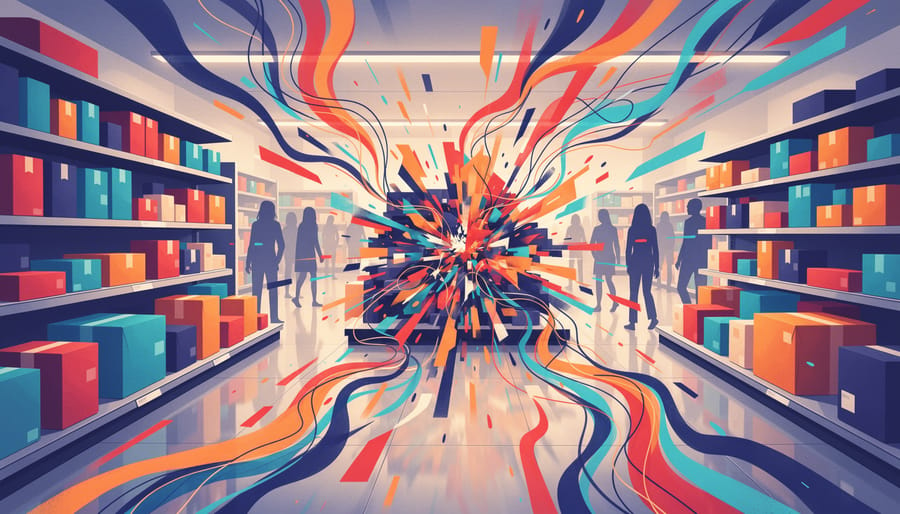
Shopping trips become manageable when you plan ahead and recognize your limits. Most people who experience shopping anxiety can avoid severe episodes by building preventive habits that address triggers before symptoms spiral.
Start by choosing off-peak hours when stores are less crowded. Early weekday mornings or late evenings typically mean fewer people, shorter lines, and quieter environments. If possible, shop with a trusted friend or family member who understands your needs and can help you stay grounded. Their presence alone often reduces anticipatory anxiety.
Before leaving home, prepare a specific list and set a realistic time limit. Knowing exactly what you need and giving yourself permission to leave after 30 or 45 minutes creates structure and an exit strategy. Eat a balanced meal beforehand and avoid caffeine, which can heighten physical symptoms.
- Scout the store layout online or during a brief visit to identify exits, quiet areas, and where items are located.
- Practice a simple grounding technique at home, such as the 5-4-3-2-1 method (name five things you see, four you can touch, three you hear, two you smell, one you taste), so it becomes automatic when needed.
- Wear comfortable clothing and bring essentials like water, headphones for noise reduction, or a small fidget object.
- Recognize your early warning signs: tightness in your chest, racing thoughts, sweating, or the urge to flee. These signals mean it’s time to pause, step outside, or use your grounding technique.
- If symptoms intensify despite your efforts, leave the store immediately and move to a quieter space where you can focus on slowing your breathing.
Learning to manage shopping anxiety takes practice, but these strategies help you maintain control and prevent escalation. Pay attention to what works for you and adjust your approach accordingly. If you find that shopping consistently triggers severe symptoms, that’s important information to share with a healthcare provider or therapist who can help you develop a personalized management plan.
What to Do Immediately During an Attack
When symptoms start, your first goal is to interrupt the escalation by anchoring yourself to the present moment. Find a quiet spot if possible, step outside the store, sit in your car, or move to a less crowded area. Begin with the 5-4-3-2-1 grounding technique: name five things you can see, four you can touch, three you can hear, two you can smell, and one you can taste. This shifts your focus from internal panic to external reality and can slow the spiral within seconds.
Control your breathing next. Anxiety attacks hyperventilate your system, so breathe in slowly through your nose for four counts, hold for four, then exhale through your mouth for six counts. The longer exhale activates your parasympathetic nervous system and signals safety to your body. Repeat this cycle for at least two minutes, placing one hand on your chest and one on your belly to feel the rhythm.
Use self-talk that’s firm but compassionate: “This is uncomfortable, but it’s not dangerous. My body is responding to stress, and it will pass.” Avoid catastrophizing language like “I’m dying” or “I can’t handle this”, reframe instead toward what you know is true based on past experience.
If grounding and breathing don’t reduce symptoms after several minutes, or if you’re experiencing chest pain you can’t distinguish from a heart issue, call 9-1-1. If the attack triggers thoughts of self-harm or suicide, call or text 9-8-8 for immediate crisis support, it’s free, confidential, and available 24/7/365. Don’t hesitate to reach out for support when self-management isn’t enough; recognizing that threshold is a strength, not a failure.
After the Attack: Recovery and Follow-Up Care
After a severe anxiety attack subsides, you may feel exhausted, shaky, or emotionally drained. That’s normal. Your body just weathered a significant stress response. Give yourself immediate permission to rest. Drink water, find a quiet space, and avoid jumping back into demanding activities. Gentle movement like a short walk can help discharge residual adrenaline, but don’t push yourself.
Contact your family doctor or therapist within a few days, even if you feel completely fine. Severe attacks often signal that your current management strategies need adjustment. A healthcare provider can assess whether medication changes, therapy modifications, or new coping tools might prevent future episodes. If this was your first severe attack, professional evaluation is especially important to rule out underlying conditions and establish a treatment baseline.
Start documenting patterns immediately while details are fresh. Note what triggered the attack, where you were, what time of day it occurred, and how long symptoms lasted. If shopping environments played a role, record specifics: crowded aisles, checkout lines, sensory overload, financial stress. These patterns become invaluable data for your healthcare team and help you identify personal risk factors.
Build a long-term management plan with professional guidance. This might include regular therapy (cognitive-behavioral therapy works well for anxiety), medication if appropriate, lifestyle modifications like sleep consistency and exercise, and a crisis response plan you create in advance. Keep emergency numbers saved: 9-1-1 for immediate medical danger, and 9-8-8 for crisis mental health support available 24/7. Think of recovery as ongoing work, not a single event. Professional support isn’t weakness; it’s the foundation of sustainable mental health management.
Helping Someone Else Through a Severe Anxiety Attack
Witnessing someone experience a severe anxiety attack can feel overwhelming, but your calm, informed response can make a significant difference. Recognizing the signs, rapid breathing, sweating, trembling, clutching their chest, or appearing disoriented, helps you respond quickly and appropriately.
Your primary role is to stay calm and create a sense of safety. Speak in a steady, reassuring tone and position yourself at their eye level without crowding them. Ask simple questions like “Can I help?” or “What do you need right now?” to give them a sense of control. Encourage slow breathing by modeling it yourself, and guide them to focus on grounding techniques like naming objects in the room or feeling their feet on the floor.
When supporting someone through an attack, certain approaches help someone in distress while others can intensify their symptoms:
- Do: Stay calm and speak slowly
- Your steady demeanor signals safety and helps prevent escalation. Use simple, direct language and maintain a reassuring presence.
- Don’t: Minimize their experience
- Avoid phrases like “just calm down” or “it’s not a big deal.” These statements invalidate their very real physiological response and can increase distress.
- Do: Ask how you can help
- Respect their autonomy by letting them guide your support. Some prefer silence, others want gentle conversation or physical space.
- Don’t: Touch without permission
- Unexpected physical contact can feel threatening during heightened anxiety. Always ask before offering a hand to hold or a reassuring touch.
Call 9-1-1 immediately if they lose consciousness, experience chest pain, have difficulty breathing that worsens, or pose a safety risk to themselves or others. If they express suicidal thoughts or overwhelming distress, call or text 9-8-8 for 24/7 crisis support. Most attacks pass within several minutes, but if symptoms persist beyond ten minutes without improvement, professional intervention becomes necessary.
Frequently Asked Questions
How can I tell if I’m having a panic attack or a heart attack?
Panic attacks typically peak within several minutes and occur with intense fear or dread, while heart attack symptoms often build gradually and include pressure radiating to the jaw or arm. If you experience chest pain and can’t be certain it’s anxiety, call 9-1-1 immediately, it’s always safer to get evaluated than to wait.
Should I go to the emergency room for a severe anxiety attack?
Go to the ER or call 9-1-1 if you lose consciousness, can’t breathe, have chest pain you can’t distinguish from a cardiac event, or feel you might hurt yourself. For overwhelming distress without those symptoms, call or text 9-8-8 for immediate mental health support available 24/7.
When do repeated anxiety attacks mean I need professional help?
If attacks happen frequently, interfere with daily activities, or leave you constantly worried about the next one, it’s time to see a healthcare provider. Even a single severe episode warrants follow-up to build a management plan and rule out underlying conditions.
What should I do if anxiety hits while I’m shopping or in a crowded place?
Find a quiet spot if possible, a bench, your car, or even a restroom, and use grounding techniques like naming five things you can see or focusing on slow breaths. If you brought someone with you, let them know you need a moment, and don’t hesitate to leave the store early if symptoms don’t ease.
These questions reflect what many people worry about in the moment: whether they’re safe, whether they need emergency care, and how to handle attacks in everyday situations. Remember that seeking help is never an overreaction. If you’re thinking about suicide or feel your safety is at risk, call or text 9-8-8 for free, confidential support available anytime. Canadians can access bilingual, trauma-informed crisis counseling through this line 24 hours a day, 7 days a week. For immediate medical emergencies, call 9-1-1 right away. Anxiety attacks are treatable, and getting the right support early makes a real difference in how you manage them going forward.
Knowing when to seek emergency help during a severe anxiety attack can be life-saving. If you’re experiencing chest pain, difficulty breathing that doesn’t improve with grounding techniques, loss of consciousness, or thoughts of self-harm, don’t hesitate. Call 9-1-1 if your safety is at risk or you need urgent medical support. For suicide-related distress or overwhelming anxiety, call or text 9-8-8 for free, confidential support available 24 hours a day, 7 days a week. Canadians can access bilingual, trauma-informed care through 9-8-8 anytime.
Experiencing severe anxiety doesn’t mean you’re weak or broken. These attacks are real, physiological responses that millions of people navigate. What matters is building your toolkit: recognizing your triggers, practising grounding techniques, and knowing your personal warning signs. Most panic attacks pass within several minutes, but the fear they create can linger much longer.
Take the step to speak with a healthcare provider or therapist, even after symptoms resolve. Professional support helps you understand patterns, develop coping strategies, and reduce the frequency and intensity of future attacks. Help is always accessible, whether through emergency services, crisis lines, or ongoing mental health care. You don’t have to manage this alone.