
Research peptides are lab-grade compounds that scientists use to study how the brain works, and a responsible evaluation comes down to five checks: where the material came from, what documentation backs it, how it’s stored, what safeguards govern its use, and who is overseeing the work. If you’ve seen these compounds promoted online as quick fixes for anxiety, depression, or memory problems, that framing deserves a pause. Research use and personal use are very different things.
A trustworthy source is the starting point. A peptide supplier for research use should provide batch-…
 Mental Health Mental Wellness Toolkit
How Scientists Vet Research Peptides Before They Ever Reach Mental Health Studies
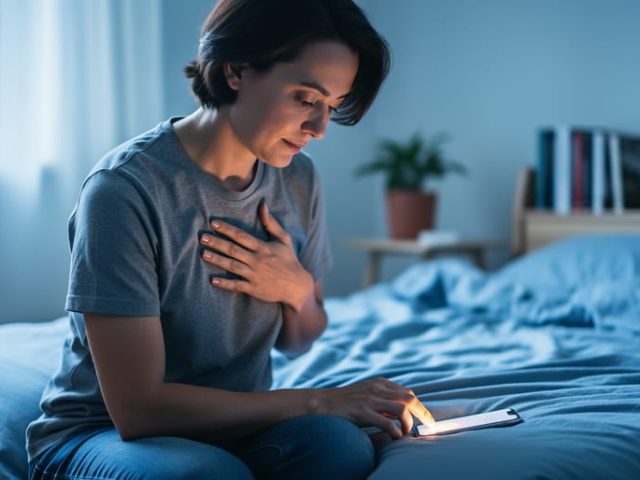 Depression Mental Health Mental Wellness Toolkit
8 Stages of Depression and Gentle Ways to Manage Each One
Depression usually moves through eight recognizable stages: early warning signs, denial, growing impact on daily life, isolation, deepening hopelessness…
 Health News Mental Health Mental Wellness Toolkit
Fear vs. Anxiety: Key Differences and Which You’re Really Feeling
Yes, it’s entirely possible to feel both simultaneously.
 Mental Health Mental Wellness Toolkit
What Is the Cycle of Anxiety (and How Does It Work)?
You’re likely in the cycle if you notice a repeating pattern where anxiety prompts avoidance, avoidance brings short-term relief, but the underlying…
 Health News Mental Health Mental Wellness Toolkit
How to Stop Air Hunger During an Anxiety Attack: A Step-by-Step Guide
Air hunger during anxiety feels like you’re suffocating even though your airways are completely clear. You can manage it right now by slowing your breathing to a count of four in and six out, which interrupts the hyperventilation cycle that’s triggering the sensation. This terrifying symptom affects millions of the 470 million people worldwide living with anxiety disorders, and while it feels dangerous, it’s your body’s misfiring stress response, not a physical breathing problem.
The sensation strikes without warning. Your chest tightens, you gasp for air, and panic floods in because your brain interprets the…
 Mental Health Mental Wellness Toolkit
What Helps With Anxiety Attacks: Evidence-Based Techniques to Find Relief
When an anxiety attack strikes, three evidence-based techniques offer immediate relief: deep breathing through your nose, grounding yourself through mindfulness, and using the 5-4-3-2-1 sensory method to anchor back to the present moment. These practices work by interrupting your body’s stress response and activating your parasympathetic nervous system, the part responsible for calming you down. Studies confirm that slow, deep breathing helps your body self-regulate and restore balance during moments of acute distress.
An anxiety attack can feel overwhelming and frightening, but you’re not powerless. The strategies …
 Mental Health Mental Wellness Toolkit
Agoraphobia vs. Social Anxiety: Key Differences and Which Condition You’re Experiencing
The key difference comes down to what you’re afraid of: social anxiety disorder centers on fear of judgment and humiliation in everyday interactions, while agoraphobia involves fear of being trapped or unable to escape in situations where help might not be available. If you dread a job interview because others will evaluate your performance, that’s social anxiety. If you avoid the grocery store because you fear having a panic attack with no way out, that’s agoraphobia. Understanding this distinction matters because the two conditions require …
 Health News Mental Health Mental Wellness Toolkit
How to Manage Depression in the Workplace: Practical Strategies for Better Mental Health
Managing depression in the workplace requires a three-part approach: establishing daily coping routines, communicating boundaries with supervisors when needed, and building support systems both inside and outside your job. These strategies work because they address depression’s impact on concentration, energy, and motivation while respecting the reality that you need to maintain professional responsibilities.
Depression doesn’t disappear during work hours. It affects how you process information, interact with colleagues, and complete tasks. The challenge isn’t just feeling sad or unmotivated. You might struggle to …
 Health News Mental Health Mental Wellness Toolkit
Psychiatric and Mental Health Nursing for Canadian Practice: What It Means for Patient Care in 2026
Psychiatric and mental health nursing represents a specialized field of nursing practice focused on assessing, diagnosing, and treating individuals experiencing mental health challenges, substance use disorders, and psychiatric conditions across the lifespan. In Canada, this specialty has evolved to address the unique healthcare landscape, incorporating culturally responsive approaches that honor Indigenous perspectives, navigate the complexities of universal healthcare delivery, and respond to the diverse mental health needs of a multicultural population.
The foundation for Canadian psychiatric mental health nursing practice rests …
 Health News Mental Health Mental Wellness Toolkit
When to Seek Emergency Help During a Severe Anxiety Attack
Most panic attacks pass within several minutes, but a severe anxiety attack can feel life-threatening in the moment and may require immediate intervention. Understanding whether your symptoms warrant a call to 9-1-1, the 9-8-8 crisis line, or self-management techniques can mean the difference between suffering through confusion and getting the help you need when seconds count.
A severe anxiety attack escalates beyond typical nervousness. You might experience crushing chest pain, difficulty breathing, numbness in your limbs, or an overwhelming sense that you’re dying or losing control. These symptoms mirror those of a heart …